
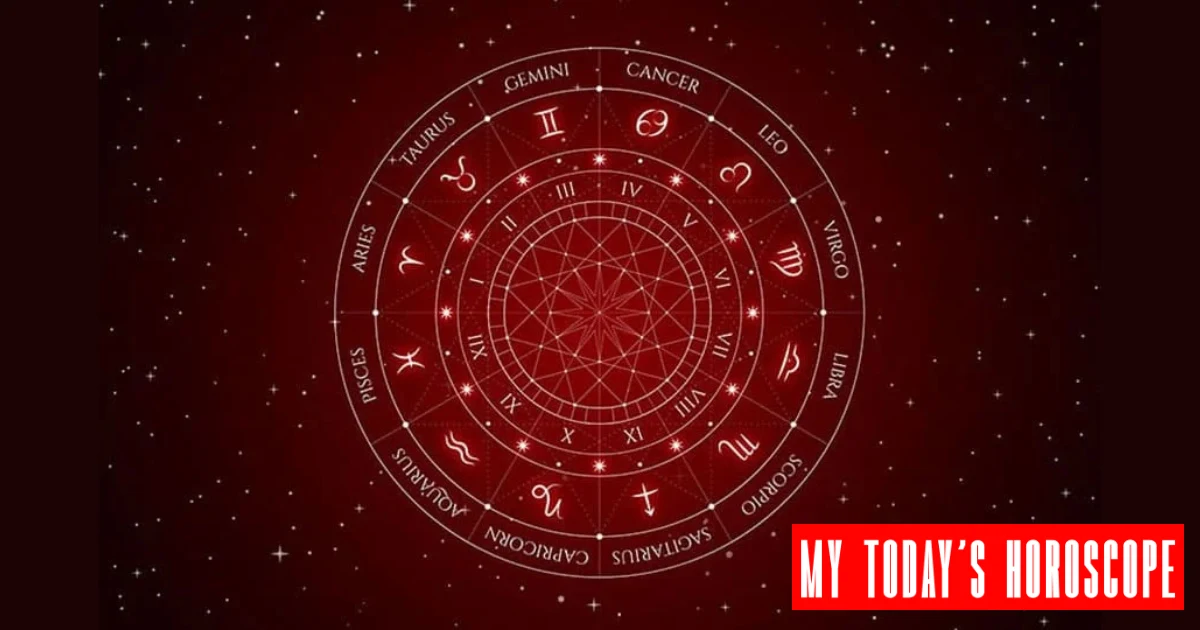
Quick Answer: Astrology is a symbolic language and interpretive system that studies the relationship between the movements of celestial bodies — the Sun, Moon, planets, and key points in the sky — and patterns of human experience. At its most personal, it begins with your natal chart: a map of where every planet was positioned at the exact moment of your birth, which serves as an extraordinarily detailed portrait of your psychological makeup, your core drives, your natural gifts, and the particular challenges your soul came here to work through. Astrology does not determine your fate. It describes your nature — and understanding your nature is the beginning of genuine freedom.
The Question That Millions Are Asking — But Few Get a Real Answer To
You have probably encountered astrology in one form or another: the horoscope column at the back of a magazine, a friend who mentions Mercury retrograde every time their phone freezes, the increasingly specific and surprisingly resonant memes organised by zodiac sign that populate your social media feed. Perhaps you know your Sun sign and broadly recognise yourself in its description, while also sensing that the description is somehow incomplete.
If you are approaching astrology for the first time with genuine curiosity — not as entertainment, not as superstition, but as a serious tradition that has endured for over five thousand years and continues to attract the sincere engagement of millions of thoughtful people — this guide is for you.
We are going to start at the beginning. Not with the list zodiac signs, not with a brief history, but with the question that matters most: what is astrology actually doing, and why does it seem to work?
The Foundation: What Astrology Is and What It Is Not
Astrology is the study of how celestial bodies — the Sun, Moon, and planets — and their relationships to each other and to the Earth create meaningful patterns that correspond to human experience.
Astrologer Dr. Stormie Grace explains it this way: “Astrology is a language of connection and a framework to study and understand the cycles, patterns, and energies that shape our lives. It helps us see meaning in movement and rhythm in change… astrology connects us to the world, to each other, and to ourselves.” Astrologer Mecca Woods adds: “It’s a cosmic map for our life’s journey.”
These descriptions point toward something important: astrology is fundamentally a language — a symbolic system for describing patterns of human experience that have been observed across thousands of years of careful, systematic sky-watching. Like any language, it can be used with varying degrees of skill, depth, and precision. The one-line horoscope in a newspaper and a full natal chart interpretation by a skilled astrologer are both “astrology” in the same way that a greeting card poem and King Lear are both “writing.”
What astrology is not is fortune-telling in any deterministic sense. A birth chart does not tell you what will happen. It describes the particular energetic constitution you arrived with, the natural tendencies and characteristic patterns of your psychology, and the broad thematic terrain your life is likely to move through. What you do with that terrain — how you navigate your own nature, how you respond to the conditions life presents — remains entirely yours.
A Brief History: Five Thousand Years of Sky-Watching
Astrology’s roots extend further back in time than almost any other organised system of human knowledge. Its foundations originate with the Babylonians over 3,000 years ago, and widespread usage did not occur until the Hellenistic period after Alexander the Great. The Babylonians were meticulous celestial observers: they tracked planetary movements, lunar cycles, and eclipse patterns with a precision that modern astronomers find impressive, and they systematically recorded the correlations they observed between sky events and earthly conditions — floods, famines, the rise and fall of rulers, and the outcomes of military campaigns.
The Greeks inherited Babylonian sky-wisdom and transformed it, integrating it with their emerging philosophical frameworks to create the basis of the astrological system that most practitioners use today. The Egyptians, Indians, Chinese, and Mayan civilisations all developed parallel traditions of celestial observation and interpretation, each arriving independently at the insight that the patterns of the cosmos and the patterns of human experience are meaningfully related.
This history matters — not as an appeal to authority, but as evidence that the practice is not a passing cultural fad. Human beings across every major civilisation in recorded history, working without any contact with each other, all concluded that the sky above them was worth studying as a map of what happens below.
The Core Architecture: How Astrology Is Structured
Modern Western astrology rests on four interlocking components: the zodiac signs, the planets, the houses, and the aspects. Understanding how these four elements relate to each other is the key to moving from a surface-level engagement with astrology into genuine comprehension of what a birth chart is actually communicating.
The Zodiac Signs
The zodiac is a belt of sky that the Sun appears to travel through over the course of one year, divided into twelve sections of 30 degrees each. Each of these sections carries a symbolic name and set of qualities derived from thousands of years of observed correspondence between the Sun’s position in that section and the personality patterns of people born during it.
The twelve signs are grouped by two systems that reveal their fundamental qualities. The four elements — Fire, Earth, Air, and Water — describe the basic mode of experience: Fire signs (Aries, Leo, Sagittarius) are energised, self-directed, and enthusiastic; Earth signs (Taurus, Virgo, Capricorn) are grounded, practical, and oriented toward the material world; Air signs (Gemini, Libra, Aquarius) operate through the mind, communication, and social connection; Water signs (Cancer, Scorpio, Pisces) are emotional, intuitive, and deeply feeling.
The three modalities — Cardinal, Fixed, and Mutable — describe the fundamental style of engagement with experience: Cardinal signs (Aries, Cancer, Libra, Capricorn) initiate and launch new cycles; Fixed signs (Taurus, Leo, Scorpio, Aquarius) sustain and maintain; Mutable signs (Gemini, Virgo, Sagittarius, Pisces) adapt, synthesise, and complete.
The Planets
In astrology, “planets” include the Sun, the Moon, and the eight classical and modern planets, each governing specific domains of human experience. The Sun represents core identity and vital force; the Moon, emotional needs and instinctive responses; Mercury, communication and intellectual style; Venus, values, love, and aesthetic sense; Mars, drive, desire, and the will to act; Jupiter, expansion, wisdom, and where we find luck and growth; Saturn, discipline, restriction, and the lessons that produce lasting achievement; Uranus, innovation, rebellion, and sudden awakening; Neptune, transcendence, imagination, and spiritual sensitivity; Pluto, transformation, power, and the forces that strip away what is false.
Each planet moves through the zodiac at a different speed — the Moon completes the full circuit in approximately 28 days, while Pluto takes approximately 248 years. This variation in speed is why the planets carry different types of significance: the fast-moving personal planets (Sun, Moon, Mercury, Venus, Mars) shape individual personality in detail, while the slow-moving outer planets (Uranus, Neptune, Pluto) create generational themes that affect entire cohorts of people born within the same multi-year period.
The Houses
The birth chart is divided into twelve houses — twelve distinct domains of life experience, each governing a specific area. The first house governs the self and physical body; the second, money and personal values; the third, communication and siblings; the fourth, home and family roots; the fifth, creativity and romance; the sixth, health and daily routine; the seventh, partnerships and marriage; the eighth, shared resources and transformation; the ninth, philosophy and long-distance travel; the tenth, career and public reputation; the eleventh, community and social networks; the twelfth, the unconscious and hidden life.
The particular zodiac sign that occupies each house cusp, and the planets located within each house, determine how those life domains will be experienced for any individual. The same house carries a different signature in every chart because the houses are anchored to the rising sign — which is why knowing your birth time is essential for a complete and accurate birth chart.
The Aspects
Aspects are the geometric angles that planets form with each other, measured in degrees around the circle of the chart. When two planets are in a harmonious relationship — a trine (120 degrees) or a sextile (60 degrees) — they tend to work together with relative ease, their combined energies flowing without significant friction. When two planets are in a challenging relationship — a square (90 degrees) or an opposition (180 degrees) — they create tension, conflict, or the kind of productive difficulty that demands growth and integration.
Harmonious aspects like trines create flow, ease, or opportunity. Challenging aspects like squares bring friction, growth, or important lessons. Astrologers also analyze transits, the current movements of the planets relative to your birth chart. Transits can activate specific themes, opportunities, or challenges depending on the aspects they form.
The aspects are what transform a birth chart from a static list of planetary positions into a dynamic portrait of psychological complexity — showing where the different dimensions of a personality are naturally integrated and where they are in creative or challenging tension with each other.
The Natal Chart: Your Cosmic Blueprint
At the heart of astrology is the natal chart — a snapshot of the sky at the exact moment you were born. A natal chart shows the positions of the Sun, Moon, and planets at your birth. Each placement represents a specific energetic influence that shapes your personality, strengths, challenges, and preferences.
The natal chart requires three pieces of information to calculate accurately: your date of birth, your exact time of birth, and the geographical coordinates of your birthplace. The date establishes the Sun’s position and the approximate positions of the slower-moving planets. The time is essential for determining the rising sign (the zodiac sign on the eastern horizon at the moment of birth) and all twelve house cusps — because the Earth rotates approximately one degree every four minutes, a birth time error of even fifteen minutes can significantly alter the house positions and rising sign. The location affects the precise angles of the chart relative to the local horizon.
Your complete astrological profile includes positions for all the planets, creating a detailed personality map that goes far beyond the single sign most people know. Before diving into complex chart analysis, beginners should understand their three most important placements: your sun sign represents your essential self — the energy you’re developing throughout life. The moon sign reveals your emotional world, instincts, and how you process feelings. While your sun sign is what others see, your moon sign is often what you feel inside. The rising sign — the Ascendant — describes your instinctive social presentation, your physical appearance, and the structural framework of your entire birth chart.
The Different Branches: Astrology Is Broader Than You Think
Most people’s encounter with astrology is limited to natal astrology — the interpretation of birth charts for individuals. But the astrological tradition encompasses several distinct areas of practice, each with its own methodology and purpose.
Predictive astrology uses the ongoing movements of the planets — their transits through the zodiac and their geometric relationships to the natal chart — to identify the timing and quality of significant life experiences. Jupiter’s twelve-year cycle, Saturn’s twenty-nine-year return to its natal position, the eighteen-month eclipse cycles, and the recurring retrograde periods of the inner planets all provide a temporal map for understanding where an individual is in the larger patterns of their life. Tracking transits is how astrology moves from personality description into practical guidance about timing and direction.
Synastry is the comparison of two birth charts to understand the dynamics of a relationship — whether romantic, familial, or professional. By overlaying one person’s chart on another’s, an astrologer can identify where the two individuals naturally harmonise and where they will predictably create friction, providing both parties with a vocabulary for navigating their dynamic more consciously.
Mundane astrology applies astrological principles to world events, national charts, and collective historical patterns. Astrologers who work in this tradition study the charts of nations (typically calculated from the date of official founding), the charts of significant historical events, and the timing of major planetary cycles to understand and sometimes anticipate collective shifts.
Electional astrology works in the opposite direction from natal astrology: rather than interpreting a given moment, it chooses an optimal moment — the best time to launch a business, sign a contract, begin a project, or get married — based on the most supportive available planetary configuration.
Common Misconceptions That Keep People From Understanding Astrology
“Astrology says my personality is determined by my Sun sign.” This is the most common and most limiting misunderstanding of astrology. Your Sun sign is one placement in a chart that contains dozens. A Scorpio with a Sagittarius rising and a Moon in Gemini is a profoundly different person from a Scorpio with a Cancer rising and a Moon in Taurus — even though they share the same Sun sign. The fun fact is: the zodiac isn’t just about your sun sign. Your complete astrological profile includes positions for all the planets, creating a detailed personality map that goes far beyond the single sign most people know.
“Astrology claims to predict the future.” Skilled astrologers are careful to distinguish between timing (identifying when certain themes are likely to be active) and prediction (claiming to know the specific events that will occur). Transits describe the quality of a period — its characteristic emotional tone, the domains of life being activated, the opportunities and challenges most likely to arise. They do not prescribe specific outcomes.
“Sun sign horoscopes represent what astrology actually is.” The twelve-sign column found in magazines is to astrology what a nutritional label is to a meal — technically related, but missing most of what makes the actual thing valuable. Sun-sign horoscopes are necessarily and deliberately generalised to address one-twelfth of the population simultaneously. They bear the same relationship to natal astrology that a weather forecast for “the northern hemisphere” bears to your local forecast.
How to Begin: Your First Steps Into Astrology
For those who want to move beyond horoscope columns into genuine astrological understanding, the path forward is straightforward.
Begin by calculating your birth chart with accurate birth information. Study your big three signs first, then gradually explore planetary positions and house meanings. Free natal chart calculators are available on reputable astrology sites — you will need your date, time, and place of birth. If you do not know your birth time, your birth certificate (or the hospital where you were born) is often the best source.
Start with what is most personally relevant. The Sun sign describes the core identity you are developing over a lifetime. The Moon sign reveals your emotional interior — the self that exists in private, in the unguarded moments when no performance is required. The rising sign describes how you move through the world and how others encounter you, and also structures the entire twelve-house architecture of your chart.
Once those three foundations feel reasonably clear, move to the planet placements: where is Venus in your chart, and what does it reveal about your relationship style? Where is Mars, and what does it say about where your drive and energy are most naturally directed? Where is Saturn, and what is the domain of life where discipline and patient effort are your most important growth edge?
Remember that learning astrology is a lifelong journey. Each chart reading reveals new layers of meaning, making this ancient practice a continuously evolving tool for personal understanding and growth. The key is viewing your birth chart as a map, not a mandate — a starting point for understanding yourself rather than a limitation on who you can become.
Why Astrology Endures: The Honest Answer
Millions of people turn to astrology every day — not because they are credulous, not because they are scientifically illiterate, but because astrology addresses questions that no other available system addresses as completely or as personally.
The question of who am I, specifically — not as a type, not as a demographic, not as a symptom cluster in a diagnostic manual, but as a particular, unrepeatable soul with a particular combination of gifts, challenges, drives, and purposes — is not a question that science answers. It is not a question that conventional psychology answers in the detail and specificity that most people feel they need.
Astrology answers it. With your exact date, time, and place of birth, it produces a portrait of you that is genuinely unique — that has never existed before and will never exist again — and that, when worked with seriously and thoughtfully, has the remarkable quality of making its subjects feel seen.
That quality of being genuinely, specifically seen is not nothing. It is, in fact, quite a lot. And it is why five thousand years of human civilisation, across every major culture on Earth, kept looking up.
Astrology is a tool for self-understanding and reflection. This guide represents the foundational principles of Western tropical astrology. Other traditions — including Vedic, Chinese, and Hellenistic astrology — approach the sky through different frameworks. For personalised guidance, consult a professional astrologer with your complete birth data.
Guides
- Using Astrology for Better Relationships: A Complete Guide to Understanding, Connecting, and Thriving With Your Partner
- Kundali Matching: The 8 Ashtakoota System Explained (Complete Guide to Guna Milan)
- When Will I Meet My Soulmate According To Astrology?
- Zodiac Sign With Highest Divorce Rate
- Vedic Astrology: Guide For Beginners
- Mayan Astrology: Guide For Beginners
- Chinese Astrology: Guide For Beginners
- Why Believe in Astrology?
- Astrocartography Explained: The Complete Expert Guide