
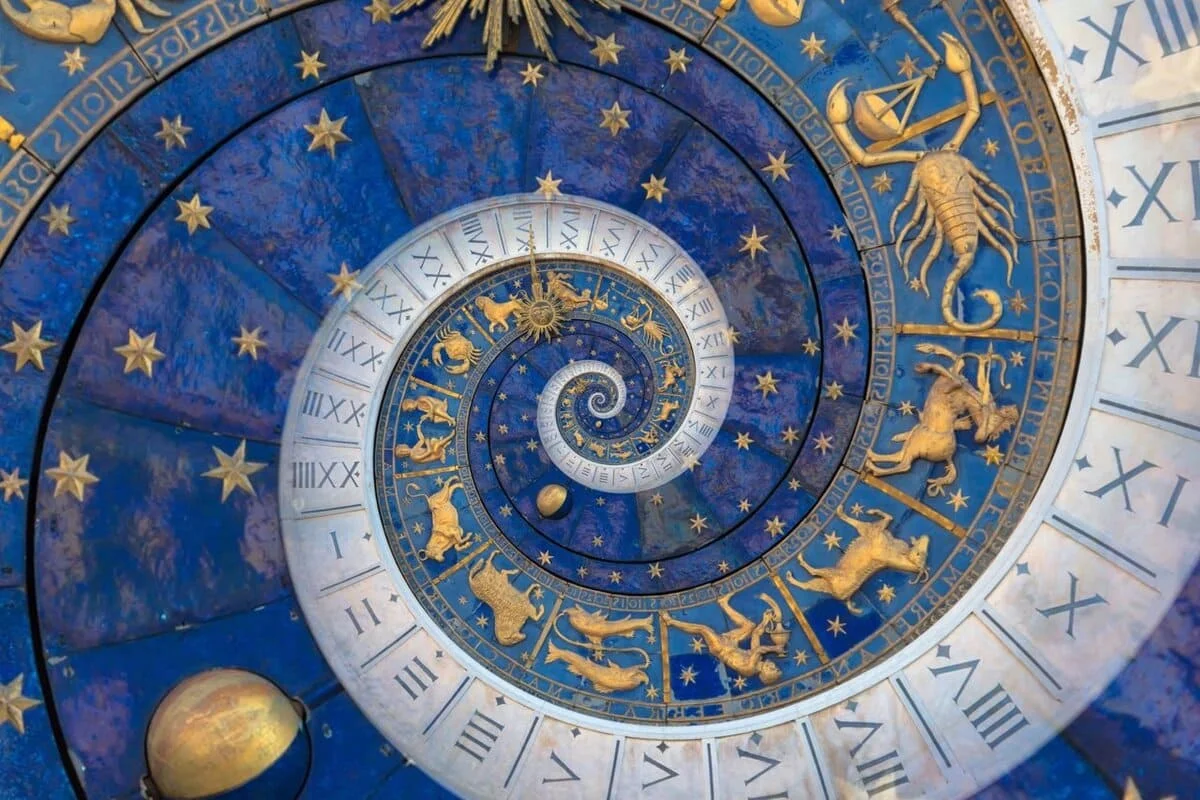
In the age of science, with space telescopes scanning galaxies and algorithms capable of predicting human behavior, many people still open their zodiac apps every day, sharing astrological memes and asking for zodiac signs before asking for names. What is causing astrology—an ancient practice discredited by science—to resurface so strongly among hyperconnected and supposedly rational generations?
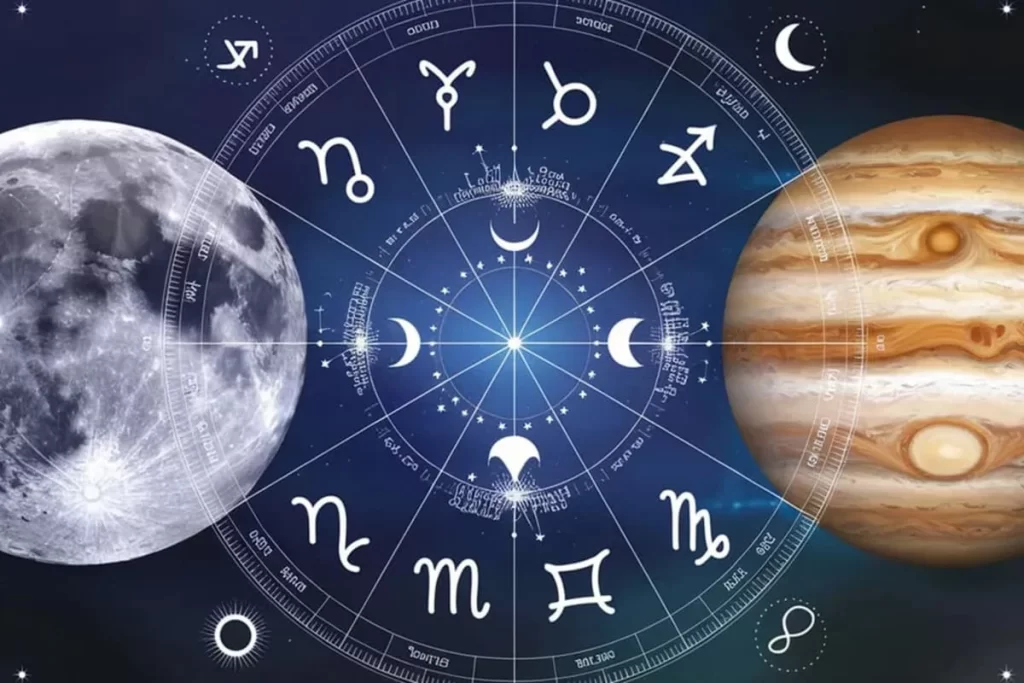
This article explores the contemporary rise of astrology from a sociological and psychological perspective. Rather than judging it as an irrational belief, it analyzes the symbolic, identity-related, and emotional needs it fulfills in a world saturated with uncertainty, anxiety, and a search for meaning. Astrology is a way of narrating experience, of feeling community, and of reclaiming agency amidst chaos. And, on social media, it has found the perfect fertile ground to mutate, expand, and endure.
A Brief History of Astrology and Its Displacement by Modern Science
Astrology is neither a recent invention nor a passing fad. For centuries, it was a central part of how human beings understood the world. In the ancient civilizations of Babylon, Egypt, Greece, and Rome, it was believed that the stars directly influenced human affairs. Kings and emperors consulted astrologers before making important decisions, and astrology coexisted peacefully with what was considered scientific knowledge at the time.
During the Renaissance, this practice experienced a resurgence as it merged with the cosmology of thinkers like Kepler, who, although remembered today for his contributions to astronomy, was also deeply interested in the effects of the planets on life on Earth. Astronomy was then part of general knowledge, without the sharp separation we make today between science and belief.
But this coexistence eroded with the arrival of the Enlightenment and the consolidation of the scientific method. Astrology, unable to offer verifiable or replicable evidence, gradually shifted into the realm of the irrational, the superstitious, or the esoteric. Astronomy emancipated itself as a “serious” science, while astrology was relegated to the cultural margins. Nevertheless, it did not disappear. It survived in the margins, in magazines, radio programs, newspaper columns… and, decades later, in memes and mobile apps. Because, although times change, the human need to find meaning in the cosmos remains.
The Resurgence of Astrology in the 21st Century
Despite being discredited by science for centuries, astrology has experienced a strong resurgence in recent decades, especially among people born between the 1980s and the early 2000s. In the digital age, discussing zodiac signs, birth charts, and planetary compatibilities has become commonplace among young people. But this new boom has little to do with generic newspaper horoscopes; it’s an astrology adapted to the codes of contemporary culture.
Mobile apps like Co-Star, The Pattern, and Chani have reinvented how astrology is consumed: clean interfaces, personalized notifications, and language that blends psychology, spirituality, and self-help. On social media platforms like Twitter, TikTok, and Instagram, astrological content goes viral in the form of memes, tweets, quick guides, and posts that combine humor, irony, and emotional reflections. There are accounts like @hourIyhoroscope, a bot that uploads inspirational quotes for each zodiac sign, or @esperanzagracia, a famous Spanish astrologer, whose content is entirely dedicated to horoscopes. Astrology thus becomes a tool for self-expression, for identifying with a community, or simply for laughing at oneself (“it’s not that I’m contradicting myself, it’s just that I’m a Gemini”).
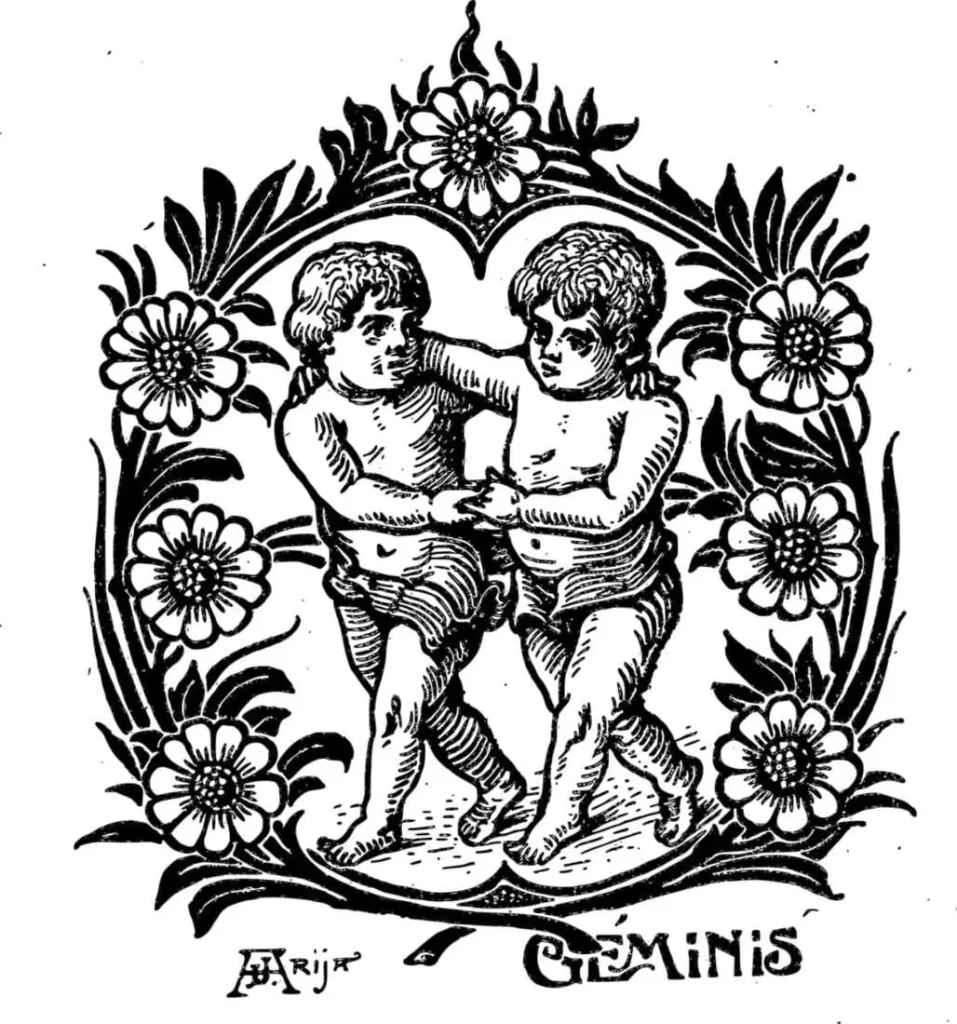
Unlike in previous eras, contemporary astrology is more horizontal, participatory, and personalized. There are no unattainable experts or rigid doctrines: everyone can learn, create content, and use the zodiac in their own way. It becomes more like a shared language than an absolute belief. For many, it’s not about “believing” or “not believing,” but about enjoying a symbolic system that offers them a narrative about themselves and the world.
What Are People Looking for When They Turn to Astrology?
Modern astrology no longer presents itself as an absolute truth, nor does it seek to compete with science. Rather, it functions as a symbolic, emotional, and cultural tool that responds to very human needs. In a world marked by uncertainty, speed, and excessive demands, many people find in the zodiac a way to understand themselves, alleviate anxiety, or even explore their identity.
Astrology offers a narrative of meaning. In times when everything seems unpredictable—from work conditions to the weather or politics—being able to attribute certain moods or life situations to the movement of the planets is reassuring. Not because one literally believes in cosmic influence, but because it allows one to organize chaos with metaphorical language: Mercury retrograde is, in addition to being an astronomical phenomenon, a culturally shared way of saying, “Everything is going wrong for me, and I need an explanation that doesn’t depend solely on me.”
It also serves a purpose of self-knowledge. Many people use their birth chart as a kind of internal map: it’s not about determining their destiny, but about understanding certain aspects of their personality, their ways of relating to others, or their emotional reactions. In this sense, astrology can act as a kind of symbolic mirror that allows for self-reflection. Phrases like “I’m a Taurus, I need stability” or “I have Leo rising, that’s why I like to attract attention” become a gentle way of talking about one’s own desires, fears, or patterns.
Another important factor is the social one. On social media, astrology functions as a common language that allows people to share memes, laugh at themselves, discuss compatibility, or even flirt. It’s an excuse to converse, identify with others, or belong to a group. This aspect shouldn’t be underestimated: in a digital environment where connection is often fleeting or superficial, having a shared symbolic framework—even if it’s just the zodiac—can create real bonds.
And finally, there’s its emotional function: a gentle form of containment in the face of distress. Instead of feeling “strange,” people can find relief in thinking that their emotions respond to an astral logic. This doesn’t replace professional psychological support, but it can act as a small gesture of daily emotional care.
It’s not so much a blind “belief” as a multifunctional symbolic tool: it serves to narrate one’s own story, connect with others, understand oneself, and even find some peace. And that, in these times, is no small thing.
Why Now? Astrology, Emotional Capitalism, and the Digital Age
The resurgence of astrology is not happening in a vacuum. It’s no coincidence that, in this age of hyperconnectivity, global anxiety, and chronic fatigue, millions of people are drawn to horoscopes, birth charts, and zodiac memes. Contemporary astrology moves comfortably between endless scrolling, TikTok algorithms, and promises of emotional well-being. And it is at this intersection of mysticism and marketing that its full cultural power unfolds.
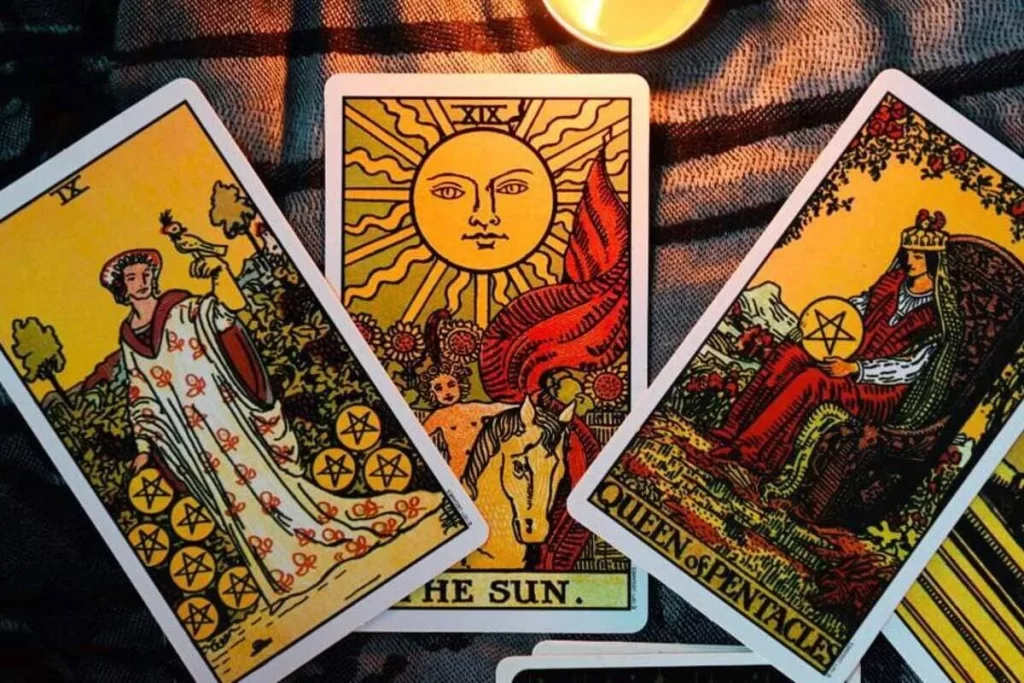
We live in what some theorists, like Eva Illouz, call emotional capitalism: a system in which we are expected to manage our emotions efficiently, optimistically, and with individual responsibility. If something goes wrong, it’s your fault for not meditating, not journaling, or not correctly identifying your attachment patterns. In this context, astrology emerges as an emotional management tool: an accessible, immediate, and adaptable language that allows us to name what we feel without needing a clinical explanation.
But it’s not just emotional; it’s also compatible with the logic of the digital market. Astrological apps offer ultra-personalized experiences, based on precise data (time and place of birth) and designed to foster emotional connection. Some include daily notifications with advice, motivational messages, or cosmic warnings. Others allow you to analyze your compatibility with friends or partners. Everything is presented with an elegant design, an introspective tone, and the promise of “getting to know you better.” In other words: astrology tailored to the contemporary self.
On the other hand, the astrological meme or shitpost format transforms this practice into shareable, viral content adaptable to any tone: from irony to romanticism. Astrology flows through digital platforms like a kind of liquid culture: as serious or absurd as we want, as intimate or collective as we need. And this flexible, playful, and yet profound nature fits perfectly with current cultural consumption patterns.
In this scenario, astrology doesn’t compete with science, nor does it claim to prove anything. Its value lies not in its “truth,” but in its symbolic power: it offers comfort, narrative, a sense of belonging, and an illusion of control over the uncontrollable. Perhaps we don’t need to know if Saturn truly influences our decisions. Perhaps we simply need someone to tell us that it’s okay to feel this way, and that soon, when Venus enters Pisces, everything will be alright.
To Believe or to Interpret?
Instead of asking whether astrology is true or false, perhaps we should ask ourselves what purpose it serves. The current phenomenon is based less on faith than on function: it is a flexible symbolic framework that allows us to name emotions, reflect on ourselves, and build community. In a world overloaded with information and devoid of certainties, it is no wonder that we are turning to the stars again.
Today, reading a horoscope, more than believing in an astral force that governs our destiny, involves playing with meanings, searching for patterns, inventing narratives. Contemporary astrology is more like a mirror than an oracle: it doesn’t tell us who we are, but rather gives us material to think about it. And, although it does so with ancient symbols and mythological planets, what it reflects are very current concerns: the need for meaning, for support, for identity, for connection.
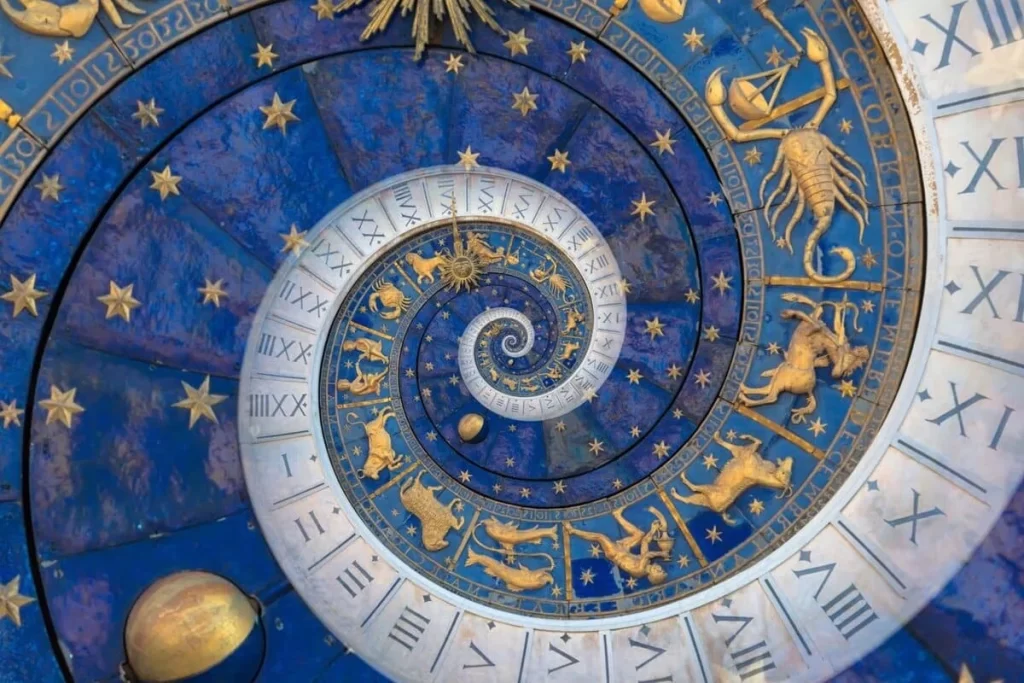
So no, we’re not in an era of irrational regression. We’re in a saturated, emotionally demanding, and deeply connected era. And, in that context, astrology functions as what it always has: a cultural language that, even if not interpreted scientifically, still reveals much about who we are, what we feel, and what we need.
Because at the end of the day, maybe it doesn’t matter if you’re a Libra rising or have your moon in Scorpio. What matters is that something in that phrase made you think about yourself, and, for a moment, everything seemed to make a little more sense.