
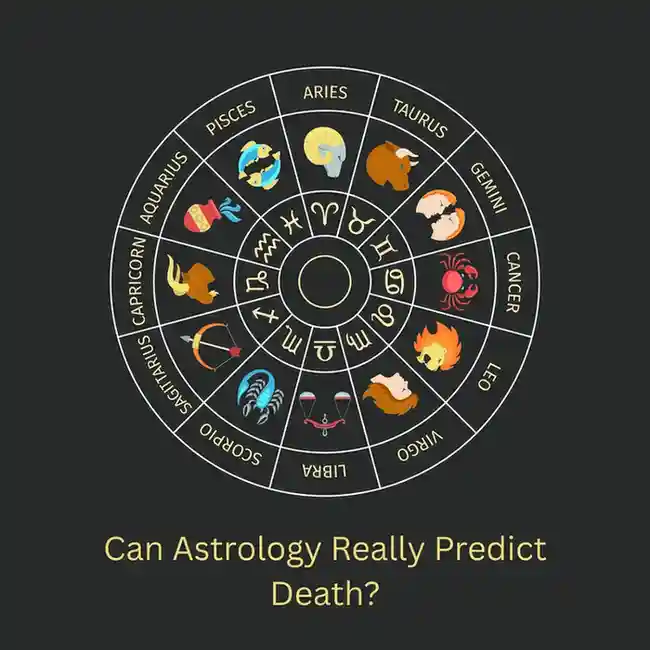
Astrology, the ancient practice of interpreting celestial movements to understand human life, has long been used to explore everything from personality traits to career paths. However, one of its most controversial and sensitive applications is predicting death—an endeavor that raises ethical, spiritual, and practical questions. The notion of forecasting mortality through planetary alignments or birth charts sparks debate among astrologers, skeptics, and believers alike. Can astrology truly predict death, or is it a speculative overreach? This in-depth article examines the astrological methods used to predict death, their historical and cultural contexts, the controversies surrounding them, and their limitations, offering a balanced perspective on this profound topic.
The Astrological Framework for Predicting Death
Astrology posits that the positions of planets, stars, and other celestial bodies at birth and throughout life influence an individual’s destiny. Predicting death involves analyzing specific elements of a birth chart or current transits believed to signal mortality. Both Vedic (Jyotish) and Western astrology offer techniques, though they approach the subject cautiously due to its gravity.
Key Astrological Indicators
- Eighth House: Known as the house of death, transformation, and the occult, the eighth house in a natal chart is central to mortality predictions. Planets like Saturn (karma, restriction), Pluto (transformation), or malefics like Rahu/Ketu in Vedic astrology placed here may indicate lifespan challenges.
- Example: A heavily afflicted eighth house (e.g., Saturn conjunct Mars) might suggest health struggles or transformative life events.
- Planetary Transits:
- Saturn: Known as the “taskmaster,” Saturn’s transits through the eighth house or challenging aspects (e.g., Saturn square Moon) can signal periods of hardship or potential mortality.
- Pluto: In Western astrology, Pluto’s transformative energy in the eighth house or harsh aspects may indicate life-altering events, including death.
- Rahu/Ketu (Vedic): These shadow planets, when transiting sensitive houses or forming conjunctions, are linked to sudden or karmic events.
- Maraka Planets (Vedic): In Vedic astrology, “maraka” (death-inflicting) planets, typically the rulers of the second and seventh houses, are analyzed for their potential to trigger mortality during specific dashas (planetary periods).
- Example: If Jupiter rules the seventh house and is afflicted, its dasha might be a critical period.
- Progressed Charts and Transits: In Western astrology, progressed charts (showing personal evolution) and major transits (e.g., Uranus oppositions, Saturn returns) can highlight transformative or risky periods.
- Example: A progressed Moon in the eighth house during a Pluto transit might indicate a significant life change.
- Lunar Nodes and Eclipses: In both systems, the lunar nodes (Rahu/Ketu in Vedic, North/South Node in Western) and eclipses are associated with karmic shifts, sometimes linked to life-ending events.
Astrological Timing
Astrologers often avoid pinpointing exact dates due to the complexity of charts and the influence of free will. Instead, they identify high-risk periods based on:
- Dashas (Vedic): Planetary periods that activate maraka planets or eighth house energies.
- Transits: Heavy influences like Saturn or Pluto transiting the eighth house.
- Progressions: Key shifts in progressed planets, especially the Sun or Moon, signaling major life transitions.
Example: A Vedic astrologer might warn of a risky period during a Saturn dasha if it activates an afflicted eighth house, while a Western astrologer might note a Pluto transit through the eighth house as a transformative phase.
Historical and Cultural Contexts
The prediction of death through astrology has deep historical roots:
- Ancient Mesopotamia (2000 BCE): Early astrologers used celestial omens to predict royal deaths, viewing stars as divine messages.
- Vedic Astrology (India): Jyotish has long analyzed longevity through techniques like Ayurdaya (lifespan calculation), though ethical astrologers avoid explicit death predictions, focusing on health or karma.
- Western Astrology: In medieval Europe, astrologers like William Lilly used “horary” charts to answer questions about death, though the Church often condemned such practices as heretical.
- Chinese Astrology: The Chinese zodiac and BaZi (Four Pillars) analyze life cycles, with certain years (e.g., clash years) seen as riskier for health or mortality.
Cultural Perspectives:
- Hinduism: Death is a karmic transition, and Vedic astrology uses remedies (e.g., mantras, pujas) to mitigate negative planetary influences rather than predict exact timing.
- Christianity: Predicting death is controversial, as it may conflict with trust in God’s plan (Ecclesiastes 3:1-2). Some Christians view astrology itself as divination, forbidden by scripture (Deuteronomy 18:10-12).
- Buddhism: Tibetan astrology may identify risky periods but emphasizes karma and mindfulness over fatalistic predictions.
- Modern New Age: Focuses on transformation rather than literal death, interpreting eighth house energies as symbolic of change.
Example: A medieval European astrologer might have used a horary chart to predict a noble’s lifespan, while a modern Vedic astrologer might recommend a puja to mitigate a risky Saturn dasha.
Controversies Surrounding Death Predictions
Predicting death is one of astrology’s most debated practices, fraught with ethical and philosophical challenges:
- Ethical Concerns:
- Fear and Anxiety: Predicting death can cause undue distress, especially if the prediction is vague or inaccurate. Ethical astrologers avoid such forecasts to protect clients.
- Manipulation: Unscrupulous practitioners may exploit vulnerable individuals, using fear of death to sell services or remedies.
- Example: A client told they’ll face a “dangerous period” might live in fear, impacting mental health unnecessarily.
- Accuracy and Limitations:
- Complexity of Charts: Death involves multiple factors (eighth house, maraka planets, transits), making precise predictions difficult. Free will and external circumstances further complicate outcomes.
- Vague Indicators: Astrological signals (e.g., Saturn in the eighth house) may indicate health issues, transformation, or death, leaving room for misinterpretation.
- Example: A Pluto transit might signal a career change rather than literal death, but an inexperienced astrologer might misread it.
- Theological Conflicts:
- In monotheistic faiths like Christianity and Islam, predicting death may be seen as usurping divine authority, as only God knows the time of death (Quran 31:34, Ecclesiastes 8:7).
- In Hinduism and Buddhism, while astrology is accepted, death predictions are approached cautiously, with a focus on karmic remedies.
- Skepticism and Science:
- Critics argue there’s no empirical evidence linking planetary positions to mortality. Studies, like those by skeptic groups, show no statistical correlation between astrological predictions and death.
- Astrology’s subjective nature means interpretations vary widely, reducing reliability.
Example: A client might consult an astrologer during a Saturn return, only to receive a vague warning about “endings,” leading to confusion rather than clarity.
Practical Remedies to Mitigate Negative Influences
Instead of predicting death, most astrologers focus on remedies to strengthen health, balance karma, and protect against negative energies, especially for challenging eighth house or malefic planetary influences.
Vedic Remedies:
- Gemstones:
- Emerald (Mercury): Enhances vitality and communication, countering eighth house challenges.
- Blue Sapphire (Saturn): Used cautiously to mitigate Saturn’s heavy influence, promoting discipline and protection.
- Application: Wear after astrological consultation, on the appropriate finger (e.g., middle for Saturn), during a waxing moon.
- Mantras:
- Maha Mrityunjaya Mantra: “Om Tryambakam Yajamahe…” (108 times daily) invokes Lord Shiva for protection and longevity.
- Saturn Mantra: “Om Sham Shanaischaraya Namah” appeases Saturn’s karmic influence.
- Application: Chant on Saturdays or during Saturn’s hora, using a mala in a sacred space.
- Rituals:
- Rudra Abhishek: A Vedic puja to Lord Shiva, cleansing negative energies and promoting health.
- Charity: Donate black items (e.g., sesame seeds, blankets) on Saturdays to appease Saturn.
- Application: Perform with a priest during auspicious times, like a new moon.
Western Remedies:
- Crystals:
- Black Tourmaline: Protects against negative energies, linked to Saturn.
- Amethyst: Enhances spiritual clarity, countering Pluto’s intensity.
- Application: Place in your home or wear during challenging transits.
- Affirmations:
- “I am protected and guided by divine light.”
- “I embrace transformation with strength and peace.”
- Application: Recite during meditation, especially during eighth house transits.
Universal Practices:
- Cleansing Rituals: Smudge with sage, sprinkle salt water, or burn incense to clear negative energies.
- Prayer and Meditation: Across faiths (e.g., Christian Psalm 91, Islamic Surah Al-Falaq), pray for protection and health.
- Healthy Lifestyle: Strengthen physical and mental health to counter astrological risks, aligning with Venus or Jupiter’s vitality.
- Application: Perform weekly cleansings or daily prayers, especially during eclipses or heavy transits.
Example: During a Pluto transit through the eighth house, someone might wear black tourmaline, chant the Maha Mrityunjaya mantra, and maintain a healthy diet to bolster resilience.
Ethical Considerations and Balanced Perspective
Predicting death in astrology raises significant ethical issues:
- Avoid Harm: Ethical astrologers avoid death predictions, focusing on empowerment and remedies to mitigate risks. The American Federation of Astrologers’ code of ethics emphasizes client well-being over fatalistic forecasts.
- Client Autonomy: Predictions can undermine free will, creating fear or fatalism. Astrologers should encourage proactive steps, like health checkups or spiritual practices.
- Cultural Sensitivity: Respect clients’ beliefs, as some faiths (e.g., Christianity, Islam) may view death predictions as spiritually inappropriate.
Limitations:
- Subjectivity: Astrological interpretations vary, and death predictions are notoriously imprecise due to the interplay of multiple chart factors.
- Free Will: Human choices, medical advancements, and unforeseen events can alter outcomes, making predictions unreliable.
- Psychological Impact: Fearful predictions can harm mental health, emphasizing the need for positive, solution-focused astrology.
Balanced Approach: Use astrology to identify periods of transformation or health focus, pairing it with practical actions like medical care, therapy, or lifestyle changes. For example, a risky Saturn transit might prompt a health checkup rather than a fatalistic mindset.
Practical Steps for Navigating Astrological Risks
- Consult a Reputable Astrologer: Seek an experienced Vedic or Western astrologer to analyze your eighth house, maraka planets, or transits, avoiding those who sensationalize death predictions.
- Focus on Remedies: Use gemstones, mantras, or rituals to strengthen positive planetary influences (e.g., Jupiter for protection, Venus for vitality).
- Monitor Transits: Track Saturn, Pluto, or Rahu/Ketu transits using apps like TimePassages, preparing for challenging periods with proactive measures.
- Integrate Spiritual Practices: Combine astrology with faith-based rituals (e.g., Christian prayer, Hindu pujas) to align with your beliefs.
- Prioritize Health: Address physical and mental health, as astrological risks often manifest as health challenges rather than literal death.
- Reflect on Transformation: View eighth house energies as opportunities for growth, not just mortality.
Example: During a Saturn transit through the eighth house, someone might wear blue sapphire, pray daily, and schedule a medical checkup to address potential health risks holistically.
Conclusion: The Limits and Wisdom of Astrological Predictions
Can astrology predict death? While techniques exist to identify high-risk periods—through the eighth house, maraka planets, or heavy transits—the practice is fraught with ethical, interpretive, and practical challenges. Precise predictions are unreliable due to the complexity of charts, the role of free will, and the influence of external factors. Instead, astrology’s true value lies in empowering individuals to navigate challenges, strengthen health, and embrace transformation through remedies like gemstones, mantras, and rituals.
Rather than fearing death predictions, use astrology to foster resilience and spiritual alignment. Whether chanting the Maha Mrityunjaya mantra during a Rahu transit or carrying black tourmaline during a Pluto aspect, these practices offer protection and clarity. As you explore the stars, let them guide you toward life-affirming choices, trusting that the universe, like your journey, unfolds with purpose beyond the shadows of mortality.