
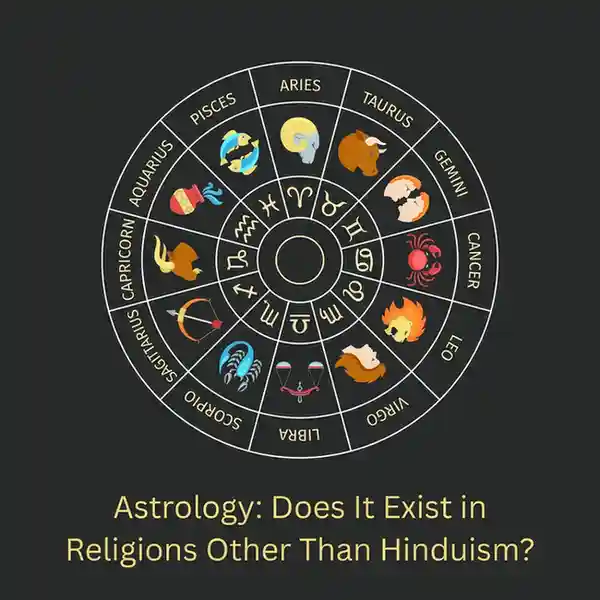
Astrology, the practice of interpreting celestial movements and their influence on human affairs, is often associated with Hinduism, particularly through Vedic astrology (Jyotish). However, the belief in the stars’ impact on destiny transcends cultural and religious boundaries, appearing in various forms across global traditions. From ancient Mesopotamia to modern spiritual movements, astrology has woven itself into the fabric of many religions, shaping rituals, worldviews, and personal practices. This in-depth article explores the presence and role of astrology in religions beyond Hinduism, including Christianity, Islam, Judaism, Buddhism, and other spiritual traditions, while examining its historical roots, theological compatibility, and modern expressions.
Understanding Astrology’s Broader Context
Astrology is a system that interprets the positions of celestial bodies—planets, stars, and constellations—as influencers of human behavior, events, and destinies. In Hinduism, Vedic astrology is deeply integrated into religious and cultural life, guiding everything from marriage timings to spiritual practices through detailed birth charts and planetary alignments. But is astrology exclusive to Hinduism, or does it find a place in other faiths? To answer this, we must consider:
- Historical Roots: Astrology predates modern religions, originating in ancient Mesopotamia (circa 2000 BCE) and spreading to Greece, Rome, Egypt, and beyond. Its influence shaped early religious thought across cultures.
- Theological Compatibility: Some religions embrace astrology as a divine tool, while others view it with skepticism or outright rejection, citing concerns about idolatry or determinism.
- Cultural Integration: Even in religions that don’t formally endorse astrology, cultural practices often incorporate astrological elements, reflecting humanity’s fascination with the cosmos.
Let’s explore how astrology manifests in major world religions beyond Hinduism, examining its historical presence, current status, and cultural significance.
1. Christianity and Astrology
Historical Presence: Christianity’s relationship with astrology is complex, shaped by its historical and theological evolution. In ancient times, astrology was prevalent in the Greco-Roman world where Christianity emerged. The story of the Magi in the Bible (Matthew 2:1-12), where wise men follow a star to find Jesus, suggests an early acceptance of celestial signs as divine guidance. Early Christian thinkers, such as those in the Hellenistic period, sometimes integrated astrology into their cosmology, viewing the stars as part of God’s creation.
During the Middle Ages, astrology was studied in Christian Europe, particularly in the context of “natural astrology” (e.g., using stars to predict weather or seasons), which was distinguished from “judicial astrology” (predicting human destinies). Figures like Thomas Aquinas argued that celestial bodies could influence physical conditions but not free will, aligning astrology with divine providence to an extent.
Theological Stance: The Bible contains warnings against divination and idolatry (e.g., Deuteronomy 18:10-12, Isaiah 47:13-14), which some interpret as condemning astrology. Many Christian denominations, especially evangelical and conservative branches, reject astrology as incompatible with trusting God’s will, arguing it promotes reliance on stars over divine guidance. However, liberal or esoteric Christian groups, such as those influenced by Gnosticism or New Age spirituality, may embrace astrology as a tool for self-discovery or divine insight.
Modern Expressions: Today, astrology exists on the fringes of Christianity, often as a cultural rather than religious practice. Some Christians casually engage with horoscopes or zodiac signs, viewing them as harmless entertainment, while others integrate astrology into mystical traditions like Christian Kabbalah. For example, the Rosicrucians, a Christian esoteric group, explore astrological symbolism alongside spiritual teachings.
Example: A modern Christian might check their horoscope out of curiosity but avoid using astrology for major decisions, citing biblical warnings against divination.
2. Islam and Astrology
Historical Presence: Astrology has a rich history in Islamic culture, particularly during the Golden Age (8th–13th centuries), when Muslim scholars like Al-Biruni and Al-Kindi studied and advanced astrological knowledge. Astrology was used in navigation, medicine, and even religious timing (e.g., determining prayer times via celestial observations). The Quran itself references the stars as signs of God’s creation (e.g., Quran 16:16), and early Islamic astronomy often overlapped with astrology.
Theological Stance: Islamic theology is divided on astrology. The Quran and Hadith emphasize tawhid (the oneness of God) and warn against shirk (associating partners with God), which some scholars interpret as prohibiting astrology, especially predicting the future (ghayb, or the unseen, belongs to God alone; Quran 27:65). Practices like horoscope reading or seeking guidance from astrologers are often discouraged in orthodox Islam, particularly in Sunni and Shia traditions.
However, some Sufi (mystical Islamic) traditions embrace astrology as a way to understand divine patterns, viewing celestial movements as reflections of God’s will. In these circles, astrology is less about prediction and more about spiritual alignment.
Modern Expressions: In contemporary Islamic societies, astrology varies by region and sect. In countries like Iran or Turkey, cultural practices may include astrological consultations for marriage or business, though these are often secular rather than religious. Online platforms have popularized zodiac content among younger Muslims, but religious scholars frequently caution against relying on astrology over faith.
Example: A Sufi practitioner might study planetary alignments to deepen their spiritual practice, while an orthodox Muslim might avoid horoscopes, citing religious prohibitions.
3. Judaism and Astrology
Historical Presence: Astrology has ancient roots in Jewish tradition, influenced by Babylonian and Hellenistic cultures. The Talmud references celestial influences (e.g., Shabbat 156a suggests stars affect but don’t determine fate), and medieval Jewish scholars like Abraham ibn Ezra wrote extensively on astrology, integrating it with religious thought. The Jewish calendar, lunisolar in nature, reflects an awareness of celestial cycles, and some Kabbalistic traditions link planets to spiritual energies.
Theological Stance: Judaism, like Christianity and Islam, emphasizes monotheism, and many rabbis caution against astrology as a form of idolatry or divination (Deuteronomy 18:10-14). However, Jewish mysticism (Kabbalah) often embraces astrology as a symbolic system, with planets and zodiac signs corresponding to spiritual attributes or the Sefirot (divine emanations). For example, Aries might be linked to leadership, reflecting divine qualities of initiative.
Modern Expressions: In modern Judaism, astrology is more cultural than religious, popular among secular or Reform Jews but less so in Orthodox communities. Kabbalistic astrology, which explores planetary influences on the soul, remains a niche practice. Some Jews may engage with zodiac signs casually, while others view astrology as incompatible with trusting in God.
Example: A Kabbalist might use astrology to explore their spiritual path, while an Orthodox Jew might reject it, focusing solely on Torah-based guidance.
4. Buddhism and Astrology
Historical Presence: Buddhism, originating in India, absorbed elements of Vedic astrology, particularly in Tibetan and East Asian traditions. Tibetan Buddhism incorporates astrology into its calendar systems, using celestial alignments to determine auspicious dates for rituals or monastic activities. Chinese Buddhism blends astrology with Taoist cosmology, associating zodiac animals (e.g., Year of the Dragon) with personality traits and destinies.
Theological Stance: Buddhism focuses on mindfulness, karma, and liberation from suffering, with no central doctrine explicitly endorsing or rejecting astrology. Some Buddhist teachings view external influences like stars as secondary to inner transformation, emphasizing free will and personal effort. However, in practice, astrology is often integrated into Buddhist cultures, especially for practical purposes like timing events or understanding karmic patterns.
Modern Expressions: In Tibetan Buddhism, astrologers create detailed charts for individuals, similar to Vedic astrology, to guide life decisions. In Southeast Asia, Thai and Burmese Buddhists consult astrologers for auspicious dates, blending astrology with local animist traditions. Modern Buddhists may engage with astrology as a tool for self-awareness, aligning it with mindfulness practices.
Example: A Tibetan Buddhist might consult an astrologer to choose a wedding date, viewing the stars as part of the universe’s interconnected web.
5. Other Spiritual Traditions
Astrology also appears in various indigenous, pagan, and New Age spiritualities:
- Indigenous Traditions: Many Native American and African spiritualities view celestial bodies as sacred, with stars guiding rituals or storytelling. For example, the Lakota use star patterns in their cosmology, though not as predictive astrology.
- Paganism and Wicca: Modern pagan traditions embrace astrology as a divine tool, linking zodiac signs and planets to rituals, spells, or seasonal celebrations (e.g., equinoxes).
- New Age Spirituality: New Age movements blend astrology with other practices like tarot or crystal healing, viewing it as a universal language of self-discovery. Zodiac signs and birth charts are central to New Age identity.
Example: A Wiccan might use their sun sign (e.g., Cancer) to choose rituals that enhance emotional healing, aligning with lunar cycles.
Historical and Cultural Influences
Astrology’s presence across religions stems from its ancient origins in Mesopotamia, where priests used star patterns to predict events. This knowledge spread to Egypt, Greece, India, and China, influencing religious practices before the rise of modern faiths. Even in religions that caution against astrology, cultural practices often persist, as seen in:
- Zodiac Signs Acting Challenge: Social media trends like this popular TikTok challenge highlight astrology’s cultural appeal, with users portraying zodiac traits in playful skits, even within religious communities.
- Calendar Systems: Many religions use lunisolar calendars (e.g., Jewish, Islamic, Buddhist), reflecting an inherent connection to celestial cycles.
Theological Tensions and Common Ground
Astrology’s compatibility with religion often hinges on its purpose:
- Predictive vs. Symbolic: Religions like Christianity and Islam may reject predictive astrology (e.g., horoscopes) but tolerate symbolic uses, such as understanding personality traits.
- Free Will vs. Determinism: Monotheistic faiths emphasize free will, viewing astrology’s determinism as a challenge to divine authority. In contrast, Hinduism and Buddhism often see astrology as a tool to navigate karma, not dictate it.
- Divine Creation: Many religions view stars as part of God’s creation, allowing astrology to coexist as a way to interpret divine signs, as seen in the Magi story or Islamic astronomy.
Modern Perspectives and Pop Culture
Today, astrology thrives as a cultural phenomenon, even among religious individuals who may not fully endorse it. Horoscopes, zodiac memes, and birth chart apps are popular across faiths, often treated as entertainment or self-reflection tools. For example, a Christian might read their horoscope for fun but rely on prayer for guidance, while a Buddhist might use astrology to choose an auspicious meditation day. Social media has amplified this trend, with platforms like X showcasing astrology content that resonates with diverse audiences, regardless of religious affiliation.
Practical Considerations
If you’re exploring astrology within a religious context:
- Research Your Faith’s Stance: Understand your religion’s teachings on astrology to align with your beliefs.
- Focus on Symbolism: Use astrology for self-awareness (e.g., understanding your zodiac traits) rather than prediction to avoid theological conflicts.
- Consult Cultural Practices: Engage with astrology in ways that respect your religious or cultural traditions, such as using Vedic astrology in Hinduism or Tibetan astrology in Buddhism.
- Balance Faith and Curiosity: View astrology as a complementary tool, not a replacement for spiritual practices like prayer or meditation.
Conclusion: Astrology’s Universal Reach
Astrology is far from exclusive to Hinduism, weaving its way into Christianity, Islam, Judaism, Buddhism, and other spiritual traditions in varied forms. From the Magi’s star in Christianity to Tibetan Buddhist calendars, celestial influences have shaped religious practices across history, often as tools for understanding divine patterns or navigating life’s uncertainties. While some faiths caution against astrology’s predictive aspects, others embrace its symbolic or cultural value, reflecting humanity’s enduring fascination with the stars.
Whether you’re a Christian intrigued by zodiac archetypes, a Muslim exploring Sufi astrology, or a Buddhist timing rituals by the stars, astrology offers a lens to explore your place in the cosmos. As you navigate its role in your faith, approach it with curiosity and discernment, honoring both the heavens above and the spiritual path within.