
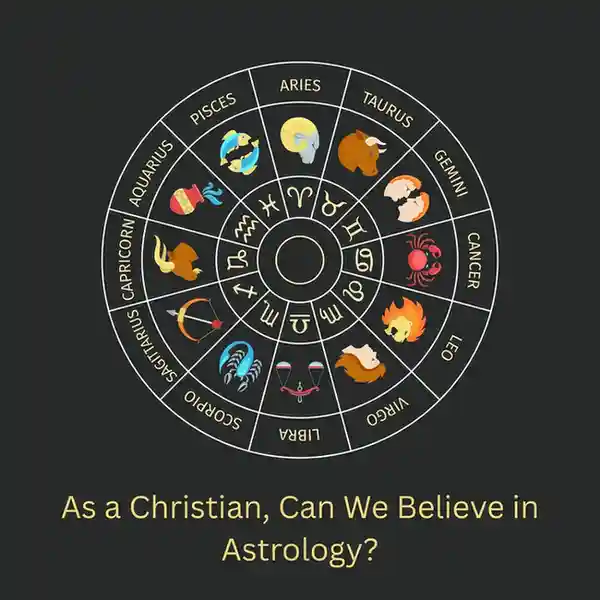
Astrology, the practice of interpreting celestial movements to gain insight into human behavior and destiny, has captivated people across cultures for millennia. For Christians, however, the question of whether astrology aligns with their faith is complex, stirring theological, historical, and personal considerations. Christianity emphasizes a relationship with God through faith, scripture, and prayer, but does this leave room for astrology’s cosmic insights? This in-depth article explores whether Christians can believe in astrology, examining biblical perspectives, historical contexts, theological debates, and modern practices, while offering a balanced view for Christians navigating this intriguing intersection.
Understanding Astrology and Christianity
Astrology interprets the positions of planets, stars, and constellations as influencing human life, from personality traits to major decisions. Rooted in ancient traditions like those of Mesopotamia, Greece, and India, it ranges from casual horoscope reading to detailed birth chart analysis. In contrast, Christianity is a monotheistic faith centered on Jesus Christ, guided by the Bible, and emphasizing trust in God’s will.
The question of compatibility hinges on several factors:
- Theological Alignment: Does astrology conflict with Christian doctrines like God’s sovereignty or free will?
- Biblical Guidance: What do scriptures say about practices resembling astrology?
- Purpose of Use: Is astrology used for prediction, self-reflection, or entertainment, and does this matter?
- Cultural Context: How have Christians historically and currently engaged with astrology?
Let’s delve into these aspects to determine whether a Christian can believe in astrology without compromising their faith.
Biblical Perspectives on Astrology
The Bible doesn’t explicitly mention modern astrology but addresses related practices like divination, stargazing, and seeking guidance from sources other than God. Key passages provide insight into Christianity’s stance:
1. Deuteronomy 18:10-12 (NIV):
- “Let no one be found among you who… practices divination or sorcery, interprets omens… or who is a medium or spiritist… Anyone who does these things is detestable to the Lord.”
- Interpretation: This Old Testament passage condemns practices that seek to predict or control the future, including interpreting omens, which some equate with astrology. It emphasizes reliance on God over external signs.
2. Isaiah 47:13-14 (NIV):
- “All the counsel you have received from the stars… has only worn you out! … Those stargazers who make predictions every month… will not save themselves.”
- Interpretation: This passage criticizes Babylonian astrologers, suggesting that relying on stars for guidance is futile compared to God’s power. It warns against placing trust in celestial predictions over divine will.
3. Matthew 2:1-12 (The Magi and the Star):
- The New Testament describes the Magi following a star to find Jesus, interpreting it as a divine sign.
- Interpretation: This story suggests that celestial phenomena can serve as God’s messengers, indicating a nuanced acceptance of star-based guidance within a divine context. The Magi’s astrology was subordinate to God’s plan, not a standalone practice.
4. Genesis 1:14 (NIV):
- “And God said, ‘Let there be lights in the vault of the sky… to serve as signs to mark sacred times, and days and years.’”
- Interpretation: This verse implies that celestial bodies have a divine purpose, such as marking time or seasons, which some Christians interpret as supporting “natural astrology” (e.g., using stars for navigation) but not “judicial astrology” (predicting human destinies).
Summary: The Bible warns against practices that prioritize external sources over God, particularly those involving divination or idolatry. However, it also acknowledges celestial signs as part of God’s creation, suggesting a distinction between using stars as divine tools versus relying on them independently.
Historical Context: Christianity and Astrology
Christianity’s relationship with astrology has evolved over centuries:
- Early Christianity (1st–4th Centuries): In the Greco-Roman world, astrology was widespread, and early Christians, like the Magi, sometimes saw celestial events as divine signs. However, as Christianity distanced itself from pagan practices, leaders began cautioning against astrology.
- Medieval Period (5th–15th Centuries): Astrology was studied in Christian Europe, particularly in monasteries and universities. Scholars like Thomas Aquinas argued that stars could influence physical conditions (e.g., weather) but not free will, aligning astrology with God’s creation. Kings and popes often consulted astrologers for timing events, though this was controversial.
- Reformation and Beyond (16th Century Onward): The Protestant Reformation and Catholic Counter-Reformation emphasized scripture over external practices, leading to greater skepticism of astrology. Puritans and other reformers viewed it as superstitious, while some Catholic mystics continued exploring its spiritual symbolism.
- Modern Era: Today, most mainstream Christian denominations (e.g., Catholic, Protestant) discourage astrology, citing biblical warnings against divination. However, esoteric Christian groups, like the Rosicrucians or Christian Kabbalists, integrate astrology as a symbolic tool for understanding God’s creation.
Example: In medieval Europe, a Christian king might consult an astrologer to choose an auspicious coronation date, viewing the stars as God’s calendar, while still praying for divine guidance.
Theological Debates: Is Astrology Compatible with Christianity?
The compatibility of astrology with Christianity depends on how it’s practiced and interpreted. Here are the key theological considerations:
1. God’s Sovereignty vs. Celestial Influence:
- Against: Many Christians argue that astrology undermines God’s sovereignty by suggesting planets or stars control human destiny. This conflicts with the belief that God alone holds authority over the future (Proverbs 16:9).
- For: Some Christians view astrology as a tool to understand God’s creation, not a rival to His power. They see celestial influences as part of the natural order, subordinate to divine will, similar to how weather affects life but doesn’t override God.
2. Free Will vs. Determinism:
- Against: Astrology’s predictive nature can imply determinism, clashing with the Christian belief in free will and personal responsibility for choices (Galatians 5:13).
- For: Liberal Christians argue that astrology offers tendencies, not mandates, allowing free will to shape outcomes. For example, knowing your sun sign’s strengths (e.g., Leo’s leadership) can guide decisions without dictating them.
3. Divination vs. Self-Reflection:
- Against: Biblical prohibitions against divination (Deuteronomy 18:10-12) are often applied to astrology, especially when used to predict the future or seek hidden knowledge.
- For: Some Christians distinguish between predictive astrology (e.g., horoscopes) and reflective astrology (e.g., using birth charts for self-awareness). The latter aligns with Christian practices of introspection and discernment.
4. Idolatry Concerns:
- Against: Worshipping or overly relying on stars can be seen as idolatry, placing creation above the Creator (Romans 1:25).
- For: Christians who engage with astrology often view it as a symbolic language, not a deity, using it to explore their faith or personality within a God-centered framework.
Example: A Christian might read their horoscope for fun but pray for guidance on major decisions, ensuring God remains their ultimate authority.
Modern Christian Perspectives on Astrology
In contemporary Christianity, attitudes toward astrology vary widely:
- Conservative/Evangelical Christians: Most reject astrology, citing biblical warnings against divination and emphasizing reliance on scripture and prayer. They view horoscopes or birth charts as distractions from faith.
- Liberal/Mainline Christians: Some are open to astrology as a tool for self-discovery or cultural engagement, provided it doesn’t replace trust in God. They may see zodiac signs as archetypes, similar to personality tests like Myers-Briggs.
- Esoteric/Mystical Christians: Groups like Christian Gnostics or New Age Christians embrace astrology as a way to explore spiritual patterns, often blending it with Kabbalistic or mystical traditions.
- Cultural Engagement: Many Christians, especially younger ones, interact with astrology casually through social media (e.g., zodiac memes, TikTok’s Zodiac Signs Acting Challenge), treating it as entertainment rather than a belief system.
Cultural Context: The rise of astrology in pop culture, amplified by platforms like Instagram and X, has made it a mainstream topic. Christians might encounter zodiac content daily, prompting questions about its place in their faith. For instance, a Christian might laugh at a meme about “Leo energy” without endorsing astrological predictions.
Practical Considerations for Christians
If you’re a Christian considering astrology, here’s how to approach it thoughtfully:
1. Examine Your Intentions:
- Are you using astrology for entertainment, self-reflection, or prediction? Reflective uses (e.g., understanding your strengths via your sun sign) are less likely to conflict with Christian values than seeking to predict the future.
- Example: A Christian with a Virgo sun might reflect on their analytical nature to improve work habits, keeping prayer central.
2. Consult Scripture:
- Study relevant Bible passages (e.g., Deuteronomy 18, Matthew 2) and seek guidance from trusted spiritual leaders to discern astrology’s role in your faith.
- Example: Reflect on whether astrology aligns with Proverbs 3:5-6 (“Trust in the Lord with all your heart and lean not on your own understanding”).
3. Prioritize God’s Sovereignty:
- Use astrology as a secondary tool, ensuring it doesn’t replace prayer, scripture, or God’s guidance. View it as a way to explore God’s creation, not control it.
- Example: A Christian might explore their birth chart to understand their temperament but pray for wisdom in applying it.
4. Engage Critically:
- Approach astrology with discernment, recognizing its symbolic nature and avoiding over-reliance. Combine it with practical tools like career counseling or spiritual direction.
- Example: A Christian might use their Midheaven (career point in a birth chart) to explore job options but rely on skills and faith for decisions.
5. Respect Denominational Teachings:
- Different Christian denominations (e.g., Catholic, Baptist, Pentecostal) have varying stances. Catholics may tolerate symbolic astrology, while evangelicals often reject it outright. Align with your community’s beliefs or discuss with a pastor.
Benefits of Astrology for Christians
When approached thoughtfully, astrology can offer benefits without compromising faith:
- Self-Awareness: Understanding your sun, moon, or rising sign can highlight strengths (e.g., Libra’s diplomacy) and weaknesses (e.g., Aries’ impulsiveness), fostering personal growth aligned with Christian values like humility.
- Community Connection: Engaging with astrology culturally (e.g., zodiac memes) can build bridges with non-Christians, offering opportunities for dialogue.
- Spiritual Reflection: Viewing celestial patterns as part of God’s creation can deepen appreciation for the universe, as in Psalm 19:1 (“The heavens declare the glory of God”).
Risks and Cautions
- Idolatry Risk: Relying on astrology over God can lead to spiritual misalignment, violating the first commandment (Exodus 20:3).
- Determinism: Believing stars dictate your fate may undermine free will and trust in God’s plan.
- Conflict with Community: Engaging with astrology might cause tension in conservative Christian circles, requiring careful navigation.
Balanced Approach: Use astrology as a reflective tool, not a definitive guide. For example, a Christian might find their Pisces moon’s empathy resonates with their call to serve others, but they’d turn to prayer for guidance in acting on it.
Conclusion: Can Christians Believe in Astrology?
Whether a Christian can believe in astrology depends on how it’s approached and integrated into their faith. The Bible warns against divination and over-reliance on external sources, emphasizing trust in God’s sovereignty. However, astrology’s reflective uses—exploring personality, strengths, or God’s cosmic order—can align with Christian values if kept secondary to scripture and prayer. Historically, Christians have engaged with astrology in varied ways, from medieval scholars to modern mystics, suggesting a spectrum of compatibility.
For Christians, the key is discernment: Use astrology as a tool for self-awareness or cultural engagement, but ensure it doesn’t overshadow faith in God. Whether you’re a Leo reflecting on leadership or a Cancer exploring emotional depth, let astrology inspire rather than dictate, keeping your heart anchored in the divine guidance of your faith. As you navigate the stars, trust that God, the Creator of the heavens, holds the ultimate map to your future.